









Choosing Builder Gel & Acrylic: A Practical Guide for UK Beauty Professionals
A salon relies on dozens of small purchasing decisions, and builder gel & acrylic is a good example of why details matter. The best option is not automatically the most expensive or the most popular; it is the one that meets a defined need and can be used properly. The following practical review explains how to choose builder gel & acrylic from consultation through stock management without making unrealistic promises about any individual product.
A nail appointment is only as reliable as its preparation, curing or drying, and aftercare. In this particular area, check structural suitability, skill level, system chemistry and infill planning. That practical consideration should guide the questions you ask before ordering, the way you organise the workstation and the advice you give after an appointment. The aim is not to buy more, but to choose with greater confidence and keep results consistent.
Start with the result, not the product label
Make the buying decision specific enough that the product earns its space on the shelf. For builder gel & acrylic, write down the desired outcome in plain language and distinguish essentials from pleasant extras. A client might value comfort and easy maintenance, while the practitioner needs predictable handling and a sensible service time. Those objectives should be discussed together rather than treated as competing priorities. Assess nail condition, service history and sensitivity before committing to a system. If your shortlist cannot be explained in those terms, it is probably not yet specific enough to guide a purchase.
An effective consultation also checks what has happened before. Ask which routines or products have worked, what has caused difficulty, and how much time the client can realistically devote to upkeep. Someone wanting a quick appointment may not be suited to a process with substantial follow-up. For professional products, suitability is more important than an appealing description; treat manufacturer guidance and relevant training as the starting point, not an optional detail.
Read the small print before comparing brands
When assessing builder gel & acrylic, compare the features that change actual work: intended use, format, quantity, storage directions, compatibility and any maintenance. Keep product systems compatible and follow their labelled application, removal and lamp instructions. A product may be excellent in one context but awkward in another, especially if it requires steps that do not fit your usual service. Read the full label and technical information instead of assuming that two similarly named products perform in exactly the same way.

Keep a short record of the reasons behind each decision. Note the intended service, the people who will use the item and the specific problem it is meant to solve. A choice is useful only if it fits both the client and the actual service process. If you are unsure whether two products can be combined, check the manufacturer’s guidance rather than experimenting on a client. This simple habit improves continuity between team members and reduces the risk of buying products that sit unused.
Build an orderly service routine
Before an appointment, arrange the necessary builder gel & acrylic items in the order they will be used and allow time for preparation and clean-up. Compare prep products, consumables and equipment as a complete nail-desk workflow. That sequence can expose missing supplies long before they interrupt a service. It also helps newer team members understand the role of each item and lets experienced staff spot unnecessary movements. A routine should leave room for the client’s individual needs without becoming improvisation from start to finish.
Test the workflow on a typical day, not only when the salon is quiet. Consider where items live, whether hands and tools need to move repeatedly between stations and how hygiene is maintained between appointments. If a step routinely gets skipped during a busy period, investigate the process rather than blaming the person. Often the fix is a clearer checklist, better storage or ordering the correct quantity of a modest consumable.
Complementary supplies matter too
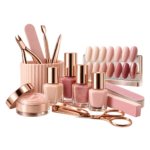
Buying builder gel & acrylic in isolation can create more problems than it solves. Review professional nail care products alongside salon supplies essentials, because preparation, application and tidy-up often depend on different product categories. For instance, an otherwise suitable item may still be a poor choice if the required accessories are unavailable or a team has not been trained to use it. Decide which products are essential on day one and which can be added after real demand becomes clear.
Try to avoid overlapping products that promise almost the same result while needing different instructions. Stock complexity affects labelling, storage space and the chance of mistakes. A compact, well-understood range can be more useful than a large display of barely used alternatives. If you add a new range, document what it replaces, what it complements and how the team will recognise which version to select for a particular appointment.
Think beyond the sticker price
The price of builder gel & acrylic is only one part of its cost. Consider how much is used in an appointment, whether it has a limited shelf life after opening, how it is stored, and whether it requires disposable accessories. A low unit price does not represent value if half the stock expires or cannot be used with your existing tools. For a small salon, recording consumption across a few ordinary working weeks gives a more useful reorder point than guessing from one particularly busy Saturday.
Select a small number of meaningful measures: repeat purchases, avoidable waste, time spent preparing the station and the frequency of client questions. These are not glamorous statistics, but they can show whether a change actually improved operations. Keep enough reserve stock to prevent predictable interruptions without turning the cupboard into a warehouse. Be especially careful with products subject to storage conditions or professional-use restrictions.
Client differences should influence the choice
No single builder gel & acrylic decision will suit every client. Assess nail condition, service history and sensitivity before committing to a system. Ask about sensitivities and past experiences in a calm, neutral way, and never encourage someone to continue through discomfort. A service can still be successful when the original plan changes to a gentler or simpler option. For higher-risk treatments, the practitioner’s qualifications and the manufacturer’s safety requirements take precedence over speed or customer pressure.
Explain the result and its limitations without creating an unrealistic expectation. Discuss what the client may notice immediately, what maintenance is needed and when professional advice is appropriate. Protect surrounding skin, avoid over-filing, and stop if there is discomfort or a reaction. Practical, specific aftercare is more helpful than a long script filled with product claims. Where a technical treatment is involved, provide the correct instructions and be clear that this guide is general buying information rather than a substitute for formal training.
Small decisions that make a big difference
Three problems appear repeatedly in nail care purchasing: buying without a defined service need, treating similar labels as proof of compatibility, and failing to train everyone who will handle the product. A choice is useful only if it fits both the client and the actual service process. Another common problem is forgetting the client’s home routine; a result that looks convincing at the appointment may be inconvenient to maintain. Take an extra moment to verify instructions, set realistic expectations and record useful feedback after the service.
Do not copy a process simply because it looks efficient in a short video or works in another salon. Product ranges, equipment, staff skills and client needs differ. Make changes one at a time so you can tell whether they help. If staff report consistent problems, check the materials, sequence and space before assuming a new purchase will solve everything. Good judgement often means simplifying an existing process instead of adding another step.
Questions to take into the stockroom
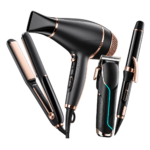
Before ordering, confirm the intended use, who will carry out the service, the relevant instructions, expected consumption, storage requirements and the client information that matters. Then compare your selection with skin and body care products and salon electrical tools supplies so the wider workflow is complete. Write down one reason to buy the item and one reason not to; if both are vague, investigate further. This simple test is useful for independent beauty professionals and multi-chair teams alike.
Finally, make the decision measurable. Decide what successful use would look like after a realistic number of appointments and agree on a review point. Keep product records, follow the instructions and update the team when a routine changes. With builder gel & acrylic, consistency usually comes from several sensible small decisions rather than a dramatic new product launch. The goal is a service people can understand, maintain and trust, supported by suitable supplies from My Beauty Supplier’s relevant catalogue.